






ONTARIO LOCAL
** DONE ** APRICOTS- The Ontario apricot season has ended.
** DONE ** RHUBARB– Ontario field grown rhubarb is done for the season.
** DONE ** ENGLISH PEAS– The Ontario English pea (shelling peas) season is finished.. They MAY return in the fall for a short time.
** DONE ** FAVA BENS– Fava beans are finished for the season.
** SOON ** HARD SQUASH– There continues to be some sporadic, very light supplies of butternut, pepper, buttercup and spaghetti squash. We should see reliable supplies in early September.
** SOON ** GRAPES-Ontario Niagara grapes will start around August 16th. We will have Concord and Coronation seedless packed in 8x2L clamshells.
** SOON ** BARTLETT PEARS– Ontario Bartlett pears will start around August 20th, packed in 8x2L clamshells. Bosc pears will start in early September.
** NEW ** BLUE PLUM: Ontario blue plums have started, packed in 10×1.5L clamshells. The season should last right through mid-October.
** NEW ** ROMANO / CRANBERRY BEANS– This summertime favorite has returned in limited supply. Grab these quickly as the season is short, lasting until early September. Sold in full bushels.
SEEDLESS WATERMELONS– Seedless have started with good supplies. Supplies will build quickly through August and run until the end of September. Quality is excellent.
FIELD TOMATO– Field grown round tomato, roma tomato and grape tomato production continues this week. Volume will continue to be strong for the next 8 weeks, with steady supplies into early October. Rounds are packed in 20lb bulk cases and romas 25lb cases and grapes in 12×1 pint clamshells.
BUSHEL BASIL– This seasonal favorite continues to be available. Packed in bushels and with roots. Great for making bulk batches of pesto! Grab this while in season, which will run until mid-September.
HOT PEPPERS– Ontario field grown jalapeno, shishito, poblano and yellow hot banana peppers are all available in good supply with outstanding quality..
LEEKS– There are some light supplies of new crop leeks. We don’t expect supplies to increase in a meaningful way until September.
POTATOES– New crop red, white and yellow potatoes are available this week in all sizes; A’s, B’s and C’s. Chef large and Burbank’s continue to be available out of storage. New crop round white large will start this week, while new crop Burbank’s will start in October.
PEELED BABY CARROTS– Ontario peeled baby carrots continue, packed in a 4x5lb pack. These are a true baby carrot and not a large carrot peeled down and as a result, the taste is very sweet. Now is the time to feature baby carrots!
FIELD PEPPERS– Ontario field peppers have started, with green peppers. Supplies are plentiful, quality is outstanding and pricing is very reasonable. This is peak season. Field red peppers will need another couple of weeks to color up. Supplies will continue into early October.
CANTALOUPE– Supplies of Ontario cantaloupe are very good with outstanding quality. Supplies will continue building into next week. Quality is outstanding. We are in the peak season. The season will continue into early October.
YELLOW WATERMELONS– Yellow watermelons are available and will be available until October. Get them while in season!
NECTARINE- Niagara nectarines continue with building supplies this week. Peak availability is now, running straight through to mid-September.
PEACHES– The Ontario peaches season continues to move along. Packed in baskets and clamshells. We are now in the “semi-clingstone” variety. Pricing has eased as production continues to ramp up. We can expect the popular “freestone” variety by next week. The season runs through early September.
BLUEBERRIES– The season continues with good supplies on both cultivated and wild. Ontario wild come in 11qt baskets and are special order. We are not using Ontario for cultivated fruit as British Columbia prices are much sharper.
EGGPLANT– Ontario field grown eggplant season continues with ample supplies. The quality is very sharp. Pricing will ease into next week
YELLOW PLUMS– The Ontario yellow plum season continues with excellent quality and supply. Pricing is steady. The season is past its peak and will wind down through the end of August. Packed in 10×1.5L clamshells.
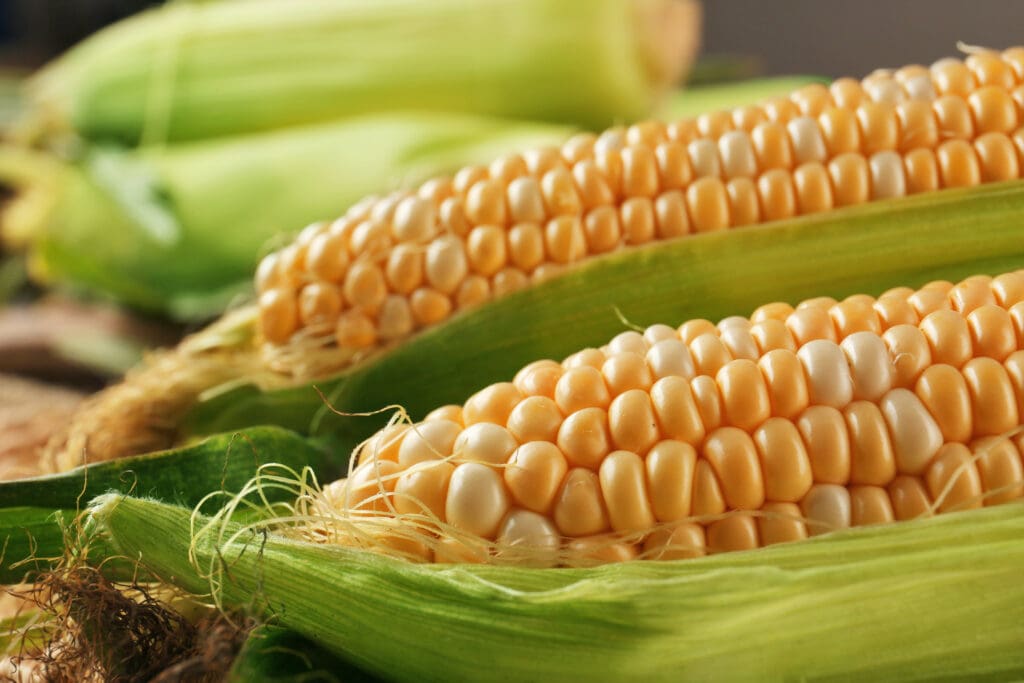
SWEET CORN– Ontario corn continues with good supplies. Cob size is good. The kernels are well developed. The season will last until mid-October. Feel confident adding corn to your menus.
BEETS– New crop bunched beets continue. Supplies are steady. New crop 25lb beets have started with smaller sizing which will improve over the next couple of weeks.
CHINESE VEGETABLES– Bok choy, Shanghai bok choy and nappa cabbage all continue with excellent supplies and quality.
FLAT BEANS– Ontario flat beans continue with fairly good supplies with steady pricing. Packed in bushel boxes. As supplies increase, pricing will ease.
GREEN AND YELLOW BEANS– Both green and yellow beans continue, packed in bushel boxes. Availability is improving with steady pricing. Expect pricing to ease as supplies increase. Ontario beans will continue until mid-September.
PICKLING DILL– The essential for making dill pickles continues to be available. Sold in bunches, with each bunch being about 24 inches long. Paired with Ontario cucumbers will make a truly Ontario dill pickle.
CAULIFLOWER– The Ontario cauliflower season continues with excellent supplies, which are exceeding demand. The season will run until mid-late October. Quality is very good with some slight discoloration being noted.
CELERY– Ontario celery from Chips Gardens continues, priced at a premium. Supplies are good with very good quality.
KOHLRABI– Supplies are good. Packed 12ct per box and priced very good compared to imports.
PARSLEY– There are good supplies of both plain and curly parsley. Packed 24ct. Supplies should remain strong as we move into next week. The quality is very good.
BUNCH SPINACH– Bunched spinach is in very good supply with excellent quality. Packed 24ct.
ICEBERG– There continues to be some moderate supplies of Ontario iceberg lettuce available. Quality is good, packed 24ct.
BROCCOLI– Bunched Ontario broccoli as well as crowns are available in excellent supply. The quality is outstanding, with steady pricing.
ENDIVE / ESCAROLE– Supplies are good, with excellent quality. Pack size is 9ct.
METHI– Ontario supplies continue. The quality is very good. Supplies will increase throughout July.
PICKLING CUCUMBER– Pickling cucumbers continue with limited supply. Packed in ½ bushel boxes. Size 3’s and 4’s. As a guide, size 3 measures 1.5” to 2” (38 mm to 51 mm) in diameter (medium dill). Size 4 measures greater than 2” inches (51 mm) in diameter (large dill). Size 1’s are gherkin size and size 2’s are baby dills and are extremely limited.
ZUCCHINI– With ideal growing conditions, green, yellow and grey zucchini continues to be available with good supplies. The recent weather will bring on strong and steady production.
SWISS CHARD– Green, red and rainbow swiss chard continue with good supply, packed in 12ct cartons. Quality is excellent with good supplies.
COLLARDS / DANDELION – Both collards and dandelion continue, packed 12 bunches per case. Quality is outstanding.
CILANTRO / DILL – Cilantro and dill both are in good supply, quality is outstanding.
FIELD STRAWBERRIES– The spring Ontario field strawberry season has concluded. We are now into the ever-bearing crop, with much lighter supplies than the June crop. Current sizing is very good, shipping the Albion variety. There are 2 distinct seasons; the June bearing crop which has ended. The ever-bearing or day-neutral crop has started; which will run until first frost or mid-October.
ROMAINE- Romaine is in good supply. Quality is very good; however, the extreme heat will affect quality. We can expect to see some tip burn. Expect good volume through July.
GREEN & RED LEAF LETTUCE– Both red and green leaf are available. Ontario product is packed 12ct. Supplies and quality are very good.
GREEN KALE– Green kale continues with good supplies, packed 24ct.
RED AND BLACK KALE– Red and black kale are both available packed 12ct.
BUNCH RADISH– Bunch radishes continue with strong supplies. Quality is outstanding.
WAX TURNIP (RUTABEGA)- Rutabaga continues to ship out of storage with good supplies. Prices remain steady. New crop starts in October.
CARROT– The 2026 Ontario carrot season is in full swing with fresh bunched carrots, 2lb, 5lb, heirloom and jumbo carrots all being available. Sizing on jumbos and heirlooms will be slim until they bulk up in sizing. Storage harvest starts in October.
HOTHOUSE TOMATOES– Beefsteak tomato production has been running low, while demand has normalized after the elevated pace seen recently. The market is weakening as local field production begins to come into effect, bringing more supply into the broader market and easing some of the pressure that had been building. Tomatoes on the vine are seeing normal production levels this week, with demand on the lighter side. The market is holding at a normal level for now, though it may soften further depending on how demand moves in the coming days. Heirloom tomato production remains normal this week, and demand is running high. The market is starting to move upward as a result, and that trend is expected to continue if demand holds at this pace.
HOTHOUSE SNACKING TOMATOES– Grape tomato production is holding at normal levels this week, but demand has dropped off, and the market is on its way down as a result of that pullback. Medley tomato production is holding at normal levels this week as well, but demand has dropped off in the same way, and the market is on its way down as a result of that pullback. Cherry tomato production remains normal, with demand slightly increased. The market has moved higher on the back of that uptick, though it could face headwinds if demand were to drop back off. Cherry tomatoes on the vine continue to see consistent production this week, with demand holding at normal levels. The market remains steady, with nothing significant to flag at this time. Cocktail tomatoes are unchanged from last week, with the market continuing at a steady pace.
HOTHOUSE PEPPERS– Pepper production remains strong this week, while demand is holding at normal levels. With supply continuing to outpace demand, the market is on the weaker side, and conditions are expected to stay soft as long as this gap persists. Mini sweet pepper production remains strong this week, and demand is beginning to normalize after running at elevated levels in recent weeks. That shift is putting downward pressure on the market as supply continues to build ahead of the softer pace of demand. Seedless mini sweet peppers have seen production normalize as well, though demand is starting to decline. Even so, the market remains steady for now, as demand continues to outpace the available production.
ENGLISH CUCUMBERS–English cucumber production remains steady this week, but demand has dropped off, and the market is showing some early signs of weakness as a result. Mini cucumber production is strong, while demand is running well below the pace of production. That gap is causing the market to drop, and conditions are expected to remain soft as long as demand continues to trail behind supply.
MUSHROOMS– Supplies are good with no disruptions in supply expected.
CABBAGE– Growers continue packing new crop green, red and savoy cabbage. Overall, cabbage supplies are very good, easily meeting demand. Pricing is steady on green with red and savoy easing as supplies increase.
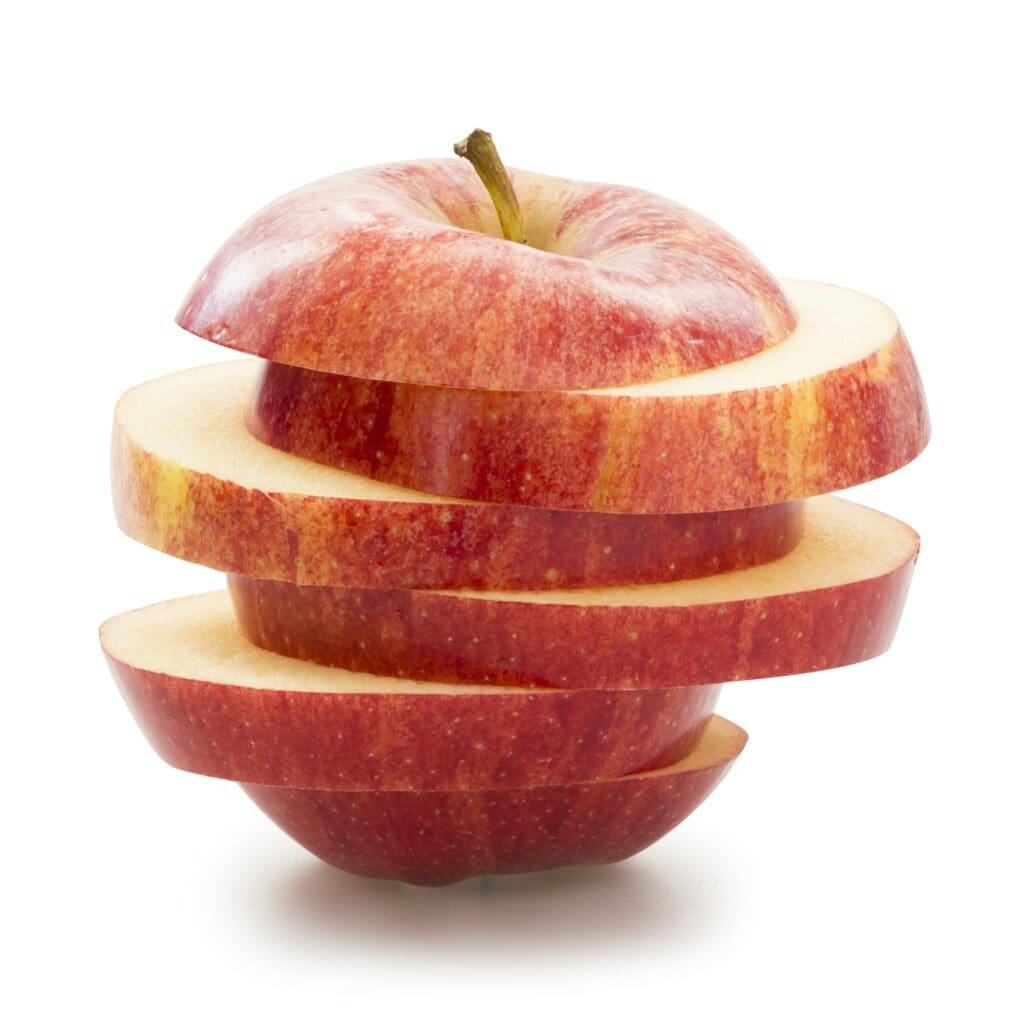
APPLES– There is very little left in storage from Ontario. We should start to see new crop Paula Reds, Ginger Golds and Jersey Macs in about two weeks. By mid to late-September we will see new crop McIntosh, Honeycrisp, Royal Gala, Cortland, Empire and Spartan. Then in mid-late October, Ambrosia, Northern Spy, Crispin (Mutsu), Golden Delicious, Fuji and Russets.
HOTHOUSE LETTUCE– Supplies of baby lettuce are very good with very good quality and exceptional shelf life. Hydroponic boston/butter supplies are good.
MARKETS TO WATCH: AT A GLANCE
Broccolini / Baby Broccoli: Supplies are limited as recent heat has accelerated maturity creating a supply gap across the industry with most fields currently in fifth-cut production. Quality concerns include yellow beading and premature flowering; these issues are expected to increase following warmer Central Coast weather. Availability is expected to remain tight for the next two to three weeks until newer acreage reaches first-cut harvests.
Gold Pineapples: Supply from Costa Rica is declining, with volumes expected to drop significantly by mid-August and likely remain low until early November. Tight volume in Costa Rica is primarily due to strong natural flowering followed by a lack of harvestable product.
Mango: The 2026 Mexican mango season is nearing its end. Brazilian Tommy Atkins mangos are expected to begin shipping soon. As the industry shifts from Mexico to South America, the market is expected to remain firm, supported by reduced availability and changing supply dynamics.
Asparagus: Asparagus supplies are expected to remain limited, particularly on larger sizes, keeping prices elevated into the fall.
Peeled Garlic: Supplies continue winding down from Mexico, while the California new crop production starts. China continues with their new crop leaving China as the main volume source which is leaving the market very under supplied.
Beans: Green bean supplies continue to be erratic, at best. East Coast weather challenges have lowered yields and demand is exceeding supplies. Ontario will start mid-late this week providing some relief.
Sweet Potato / Yam: The sweet potato market remains tight as we move into the final stretch of the 2025 storage crop. Limited supplies remain available, particularly on premium number 1 grades and larger. Quality remains generally good; however, some lots are showing increased cosmetic defects and shrink tied to weather stress from last growing season. New crop harvest is expected to begin in limited manner in August, with broader availability arriving in September.
Russet Potatoes: Markets are rising; demand is active as storage crops wind down over the next couple of weeks. We recommend ordering for quick turns and keeping inventory tight due to the age of these potatoes coming out of storage.
Clementine: Mandarins from Chile, Peru and Uruguay are available, though overall supply remains limited. El Nino-related weather impacts have reduced overall volume compared with last season, and prolonged high temperatures have delayed color development, slowing exports from key growing regions.
Lemons: The California lemon market remains elevated due to extremely limited supplies and strong demand. Imports from offshore growing regions and Mexico are helping supplement availability; however, overall supplies remain tight, keeping prices high.
Assorted Hot Chili Peppers: Supplies are stable on most varieties. Decent numbers are crossing from Mainland Mexico, Baja and local programs in California as well Ontario, Quebec and the East Coast of America. Ontario chili production continues with Jalapeno’s, Shishito, Yellow Hots and Poblanos all being in steady supply. Red Fresno’s and Habanero’s supplies continue to be extremely limited from all growing regions.
Washington Apples: The storage crop and import seasons are nearing an end. The storage crop is smaller than last year, which has tightened availability across many varieties and packs. Harvest has begun on Early Gala and Early Honeycrisp varieties. This early fruit will be limited and is expected to yield light volumes for the next two weeks. Main Royal Gala harvest is expected to begin in earnest around late-August
Bananas: Banana supplies are currently exceeding demand. Industry wide there is lower demand due to schools winding down. Supplies are backing up at the ports of entry, which is causing inconstant ripening issues, such as accelerated ripening. We expect to continue to see these issues for another 3-4 weeks, until supplies balance demand and school demand returns.
Oranges: California Navel oranges are finished for the season. South African Navels continue arriving on the East Coast. Supplies are increasing week over week. The quality is great. Overall volume should continue to ramp up through July. California Valencia supplies are dominated by large sizes (56ct to 88ct packs); smaller sizes (113ct to 138ct cartons) are limited. Expect 113ct and 138ct oranges to become extremely scarce once schools start in September.
Transportation Update
Last week, the US Department of Transportation was back hosting yet another enforcement sweep for 2026, “Operation Safe Driver Week”. This most recent event is having similar effects as May, causing an increase in rates, and driving truck availability down, especially in California. Up next is ‘Brake Safety Week” slated to take place August 23-29.
The situation at the Strait of Hormuz continues to be volatile. It is neither completely open nor fully closed, but heavily restricted, highly dangerous, and functioning at a fraction of its normal capacity. While a tentative US-Iran memorandum of understanding was signed in mid-June to theoretically reopen the waterway and end the military blockades that began in February, the reality on the water is chaotic.
With the status of the Strait of Hormuz under question, at $88.00, Brent crude pricing has risen about $10 higher compared to last week and $18 in the last two weeks due to a resumption of hostilities. The massive premium was $120 a barrel when the conflict erupted back in February.
In the USA, the diesel fuel US national average continues to stay below $5.00 per gallon to around $4.80 per gallon for last week; up from the previous week. West Coast average prices last week were $6.12 per gallon; down from $7.42 in April and up from last week. Diesel represents roughly 20–25% of total trucking cost per mile, making carriers highly sensitive to fuel spikes. Prices are expected to remain elevated until meaningful normalization of global oil flow occurs. Temporary fuel surcharges are in effect on most items and transportation lanes until oil prices
SUPPLY AND QUALITY GENERAL UPDATE
Citrus is moving into the part of summer where sizing matters more than total volume. Schools are coming back online, and demand for small fruit is expected to increase quickly as school and foodservice programs begin filling orders again. The challenge is that California Valencias are not built around that size profile this season and offshore imports can not fill the void. The crop is peaking closer to 72ct and larger, with 113ct and 138ct oranges expected to remain extremely limited.
Imported Navels from South Africa and Chile will help supplement summer citrus availability, but those programs are not expected to be a full answer for small fruit. Import volume will help fill some gaps, especially where customers can take larger or mid-size fruit, but school-friendly sizes will remain limited. Substitutions, split sizing, and flexibility between California Valencias and imported Navels may be needed to keep orders covered. We may also continue to see some re-greening on Valencias as summer heat stays active in the San Joaquin Valley. This is a normal seasonal condition where the peel can show a green tint, but it is cosmetic and does not affect flavor, sugar, or eating quality. The bigger issue remains sizing, not eating quality.
Lemons remain elevated as District Two continues to carry much of the California crop. District Two, the Ventura/Oxnard coastal region, typically grades heavier to choice fruit than fancy due to coastal wind exposure. Offshore fruit from Argentina, South Africa and Chile is helping supplement supply, while Mexican shipments are also building. These programs should help fill some gaps that California cannot cover, but pricing is expected to stay firm until overall availability improves.
The onion market is on fire as California and New Mexico work through a difficult summer crop. California is dealing with lower acreage and high heat, while New Mexico is battling seeder issues that are limiting pack-outs and usable supply. Markets are expected to remain elevated as the Pacific Northwest is running behind schedule and is not ready to bring on full relief just yet. Washington, Idaho, and Eastern Oregon have begun with new crop yellow onions first, followed by reds by the second week of August. Better supplies are expected by the end of August once the Northwest has more volume and the crop has time to cure. That curing time matters. Fresh-run onions can show lighter skins and a rougher finish early, but once those Northwest onions settle in, we should start to see stronger skins, better color, and those golden husks everyone likes to see.
Potatoes are also moving into transition. Ontario has started harvesting new crop red, white and yellow potatoes, which should bring some much-needed relief to the potato market. Idaho should follow mid-August with new crop russets. The timing is encouraging, but we are still working through the final stretch of the old crop Burbank supply, and those potatoes are starting to show their age. Pressure bruising is becoming more prevalent as the Burbank crop reaches the end of its season. Pack-outs are becoming more difficult, and quality will need to be managed closely until new crop russets are fully available. Early test digs on new crop potatoes suggest the crop will peak closer to 80-count sizing, which should help bring better availability on the larger profile once volume builds. New crop Norkotahs will bring welcome relief, but they will also come with typical early-season handling considerations. Fresh-run potatoes can retain field heat and carry excess moisture until they have time to cure. Skinning will be more common early, and when warm potatoes go into a cold reefer or warehouse, they can sweat moisture. That moisture can leave behind a white fuzz that looks like mold, but it is harmless to the product and can be brushed or wiped off.
Onion and potato harvest in the Pacific Northwest and Ontario is one of the first signs that summer is winding down and fall is around the corner. Relief is starting, but both crops still need time to build volume, cure, and settle into storage. Until then, ordering potatoes and onions for quicker turns will be the best way to protect quality through the transition.
Quality issues with California celery are causing shortages, and the market is responding accordingly. Disease and insect pressure will continue to reduce harvestable acreage; however, supplies are currently at steady levels for the rest of the commodities. Growers anticipate these challenges will remain a significant factor impacting supplies throughout the season, with lettuces, broccoli, cauliflower, and celery availability expected to remain difficult throughout the summer months. As the temperature continues to increase in Salinas, these items could be further impacted. There was a heatwave last week that will continue into this week. Artichokes and Anise/Fennel remain in limited supply.
Tomato production continues to fluctuate in South Carolina, Tennessee, and Virginia due to rain, while Mexico’s production of rounds and romas remains steady. We are finally starting to see some relief in the snacking tomato market, but we still expect some challenges over the next week. In California, tomato production remains steady.
VEGETABLES
Leaf lettuce markets continue to ease as supplies from multiple growing regions, including Quebec and California’s coastal growing regions remain strong and harvest conditions remain favorable. Romaine, green leaf, and red leaf are readily available, with generally good quality, strong color, and improved shelf life reported across most growing districts.
Demand remains steady but is not keeping pace with current production levels, creating ample product availability and strong buying opportunities. Weather across the West Coast and in Quebec has remained largely supportive, allowing growers to maintain consistent harvest schedules. Over the next two weeks, supplies are expected to remain abundant, making lettuce one of the strongest promotional opportunities.
ICEBERG– Iceberg lettuce supplies remain strong as California’s coastal growing regions continue to hit production targets, with favorable weather supporting both yields and quality. Salinas and Santa Maria, California: Favorable weather has driven strong production out of both Salinas and Santa Maria. Shippers are offering volume deals, creating prime promotional opportunities, with robust supplies expected for at least the next two weeks. Carton weights are running solid at 39–44 pounds, alongside good color and texture. Quebec: Supplies of Quebec iceberg are excellent. Prices are inching down as supplies increase. Overall iceberg quality remains very good compared to California; case weights are comparable to California, running between 38-44 pounds.
ROMAINE / LEAF– Romaine, green leaf, and red leaf availability continue to be very strong allowing shippers to meet current retail and foodservice demand. California: Green leaf, red leaf, and romaine will see strong availability throughout the week, alongside excellent supplies on romaine hearts. Fringe burn remains minimal. Lengths and carton weights across all leaf items are running above average with multiple suppliers. Shippers are actively making deals on volume orders, making this an ideal time to promote heavily over the next few weeks. Quebec: The romaine and leaf season continues with ideal growing conditions and strong supplies. Fields are on schedule or ahead of schedule, with ideal growing conditions in the forecast. We may see some tip burn and other heat related defects in the coming weeks after recent extreme heat, but nothing major. Size and texture are very good. Volume will continue to remain steady through August.
SPRING MIX/BABY SPINACH/BABY ARUGULA/BABY KALE– Supplies remain strong, with good quality and sufficient availability to support normal demand. Baby Kale: Baby kale supplies are meeting demand with good quality. Arugula: Arugula quality is generally good as well, though some minor yellowing continues to be reported, typically limited to very few leaves per bag. Baby Spinach: Quality is good, but we continue to see occasional quality problems, including mildew and bruising. Spring Mix: Supplies and quality are both good.
GARLIC– Supplies continue winding down from Mexico, while the California new crop production starts. China continues with their new crop leaving China as the main volume source which is leaving the market very under supplied. China: Pricing has topped out as new crop continue to arrive with excellent quality. We should expect pricing to remain high until supplies arrive in greater frequency and California gets into stronger new crop volume. California: California garlic is harvested from June through August, with some product held in fresh storage before controlled-atmosphere storage is opened for year-round supply. New crop garlic starts this week. Expect a stronger garlic odor compared to long-term storage product. Fresh-run garlic differs from storage garlic at this early point in the season. Bulbs and cloves may contain more moisture. Outer skins may not be fully cured. Cloves are typically more tender and harder to peel. Surface sheen or translucent spots may appear. Light discoloration can occur from cracking and peeling. Subtle moisture may be visible in the bag. Garlic odor may be stronger in the first several weeks of the season. Shelf life may be shorter than normal until the crop completes the curing process.
CARROTS– California: The Bakersfield region is currently the primary growing area, with strong availability across all carrot varieties. Ontario / Québec: The 2026 harvesting season continues to ramp up. All pack sizes are now new crop including heirloom carrots. Please remember that the new crop heirloom carrots will be very slim until September.
SWEET POTATO– The sweet potato market remains tight as we move into the final stretch of the 2025 storage crop. Limited supplies remain available, particularly on premium number 1 grades and larger. Demand from both retail and foodservice continues to be steady to strong, supporting a firmer market. North Carolina and Mississippi growers are reporting lighter yields and tighter availability due to weather-related challenges from last season. Quality remains generally good; however, some lots are showing increased cosmetic defects and shrink tied to weather stress from last growing season. New crop harvest is expected to begin in limited manner in August, with broader availability arriving in September.
NEW CROP RED / WHITE / YELLOW POTATO- The Ontario new crop “A”, “B”, “C” size red, white and yellow have started. Supplies are fairly good and will continue to improve through August. Quality is outstanding, with very thin skins. Please remember that new crop potatoes should be refrigerated to maintain freshness and shelf life.
US CARTON BAKING POTATOES– Potatoes continue to be available from Idaho and Washington. Markets continue to strengthen as storage supplies decline and new crop production ramps up. We recommend maintaining lean inventories and ordering for short-term needs due to the shorter shelf-life associated with storage crop potatoes. Idaho: Storage crop Burbank potatoes continue to ship. Quality remains good with occasional reports of pressure bruising. Remaining supplies are leaning heavily towards 100ct and smaller. Western growers have started light supplies of new crop Norkotahs. Initial reports show great quality with well set skins. Mainly mid-range sizes, 80ct and 90ct are being seen in early lots. Expect active markets over the next several weeks as the industry transitions to Norkotahs. Larger size 40ct to 70ct will be volatile while #2 grade potatoes will see a substantial increase in price when storage Burbanks are depleted and new crop Norkotahs #1 grade potatoes are prominent in the market. Washington: Storage crop Norkotah potatoes are available. Demand is strong for all sizes. Quality is good; pressure bruising is an occasional issue. Prices are increasing. New crop harvesting has started with light volume. Size profile leaning heavy towards 90ct and smaller. Colorado & Wisconsin: Active demand is limiting availability. Mixer volume is shipping in all sizes. Quality is good; pressure bruising is an occasional problem. Prices continue to rise in both regions. The Colorado storage season is winding down quickly. Supplies will be extremely tight through August. New crop stocks are expected to start shipping in early September. Wisconsin new crop harvesting will begin the week of August 17.
CANADIAN POTATO– Statistics Canada reports that Canadian growers planted 395,176 acres of potatoes this year. That is 1,946 acres less than they planted last year. Challenging market conditions and slower export sales motivated growers in most provinces to trim their table potato acreage. The extent of this year’s reduction will depend on yields in the major table potato growing provinces. There was a major shift in acreage from the Maritime Provinces to the Prairie Provinces. Combined acreage in the Maritime Provinces dropped by 5,075 acres, or 3.6%, primarily due to contract reductions for frozen processing potatoes. In contrast, the combined planted area in the Prairie Provinces increased by 2,440 acres, or 1.5%, to meet the needs of the region’s growing processing sector. Except for Alberta and Quebec, each of the other provinces reported a downturn in potato acreage this year. The largest reduction came in PEI, though the planted area was also down significantly in New Brunswick and in Manitoba. Planting was delayed by cool, wet weather in some areas. However, growing conditions, so far, have been variable but mostly favorable across the country. Ontario: Growers planted 39,900 acres of potatoes this year. That is 315 acres less than they planted in 2025. Reports indicate that a reduction in table potato acreage was partially offset by an increase in chip potato acreage. Chip potato contract volumes and prices were both up slightly this year. Overall, Ontario’s 2026 potato crop is in good condition. Reports indicate that crops look better, for this time of year, than they have in several years. Most of the province has received sufficient rainfall, though some areas are a little dry. Excessive heat and dense smoke stressed crops. However, rain and cooler temperatures have helped crops recover this week. Some growers plan to begin harvesting early potatoes by the end of the week. Harvest should be in full swing by the first week of August. P.E.I.: Statistics Canada reports that PEI growers planted 83,700 acres of potatoes this year. That is 3,600 acres less than they planted in 2025, a 4.1% reduction. This year’s acreage reduction is primarily for processing potatoes. Though PEI growers received contract volume reductions, contract prices were unchanged from last year. Reports suggest that the major processor is planning to take downtime to make some capital improvements. In contrast, growers in the other processing provinces and states received price cuts. Table potato acreage appears to be flat. Planting was delayed by cold, wet weather. However, growing conditions have been favorable since planting. The Island has received timely rain. Crops are catching up. Growers expect this year’s harvest to begin on schedule. Yields for the 2026 crop will depend on rainfall and temperatures during the next several weeks. New Brunswick: Growers planted 50,900 acres of potatoes this year. That is 1,400 acres less than they planted in 2025, a 2.7% reduction. Most of this year’s reduction is for frozen processing potatoes. In general, contract volumes and prices were both down 3.5%-4.0% for the 2026 potato crop. Planting was delayed by cold temperatures and rain. Reports indicate that crop conditions are mixed. Potatoes that were planted early are in relatively good condition. However, crops that were planted later are in fair to poor condition. Temperatures during July have been mostly favorable, and crops have received some rain last week. Quebec: Statistics Canada reports that growers planted 50,086 acres of potatoes in 2026. That is 1,204 acres more than the 2025 planted area, a 2.5% increase. If the planted area estimate is correct, it would be Quebec’s largest potato crop that we have on record going back to 1987. It is 4,020 acres, or 8.7%, more than the three-year average planted area. We believe that this year’s acreage increase was split between chip potatoes and table potatoes. Cold, wet spring weather delayed planting and crop development. The province received a significant amount of rain during June, but growing conditions have been relatively dry during July. British Columbia: Growers planted 5,800 acres of potatoes this year. That is 200 acres less than the 2025 planted area. The planted area for Yellow and Russet potatoes is relatively stable, though acreage for Red and White potatoes is down slightly. Alberta: At 86,000 acres, Alberta’s 2026 potato area is up 4,240 acres from the 2025 crop, a 5.2% increase. It is, by far, the province’s largest planted area on record. It exceeds the three-year average planted area by 6,547 acres, or 8.2%. Most of this year’s increase is for frozen processing potatoes, though the planted area for chip potatoes also appears to be up. Reports indicate that Alberta’s 2026 potato crop is in good to excellent condition. The province has received a significant amount of rain, which has improved growing conditions. However, some seed growing areas experienced drown-outs in low-lying areas. In addition, hail damaged some fields in the southern growing region, but those crops have mostly recovered. Crop development is on schedule. The province still has a large volume of processing potatoes from the 2025 crop to work through.
CABBAGE– Ontario: Green, red and savoy cabbage supplies are good with very good quality being shipped as new crop continues with storage supplies ending. Supplies will continue to build into August, with the storage varieties starting in September. Imports: Green cabbage supply in the Midwest is strong, as heat has accelerated growth. Due to this stretch of heat, some heat-related quality issues, such as loose heads, have been reported. Weather for the next 7 to 10 days is forecast to be warm and dry.
BEANS– Green bean supplies continue to be erratic, at best. East Coast weather challenges have lowered yields and demand is exceeding supplies. Supply is meeting demand in California and Mexico. East Coast production has transitioned north; supplies remain tight due to weather-related disruptions across key growing areas. Ohio crops are delaying harvests, lowering pack-outs, and causing unpredictable volume. Ontario continues with better production this week. Supplies will continue to build into next week. There are green, yellow wax as well as flat pole and cranberry beans available. Fava beans are done. Expect prices to inch down as volume increases. On the west coast, California harvesting is underway in Watsonville, the San Joaquin Valley, and Santa Maria. Quality is good and favorable weather is supporting new crop development. No major supply issues are expected over the next few weeks. Mexican supplies are sufficient out Baja and Puebla; quality is good due to ideal weather. Expect steady supplies over the next two weeks; markets are slightly elevated.
MUSHROOMS– Quality and supplies are very good with lighter demand. At this time, we do not see any supply issues.
ASPARAGUS– Asparagus supplies are expected to remain limited, particularly on larger sizes, keeping prices elevated into the fall. Peru: The Peruvian asparagus market remains constrained, particularly for larger sizes, including medium, large, extra large, and jumbo. Availability of small and standard sizes is relatively stable, while larger sizes remain extremely limited. The primary driver is unseasonably warm weather during Peru’s winter season. Historically, cooler winter temperatures promote the development of larger sizes, while warmer temperatures tend to produce a higher proportion of small and standard sizes. Peru is currently in the peak of its winter season, when larger sizes would typically dominate production; however, that is not the case this year. At this time, no meaningful shift in the sizing profile is expected in the near term. Based on current growing conditions, production is expected to remain weighted toward standard and small sizes, with larger sizes continuing to be in short supply. Mexico: Mexican asparagus supplies remain tight, with demand continuing to outpace available volume. Central Mexico is expected to finish earlier than normal; by mid-August, creating a supply gap through late August and September, while additional production later this fall is not expected to significantly improve availability until October.
CELERY– Celery markets have strengthened as supplies tighten modestly while demand remains consistent across retail and foodservice channels. California remains the primary production region, with Mexico, Ontario and Quebec providing supplemental volume to support overall availability. Quality is generally good, though some variability in sizing and yields has been reported due to seasonal growing conditions. While supplies remain sufficient to cover current demand, inventories are not as abundant as other vegetable categories.
EGGPLANT– Ontario production continues to increase with ample supplies at lower pricing. Quality is very good. New Jersey production has increased, easing market pressure, while California supplies remain steady with improved availability. Promotable East Coast and Midwest volume is expected over the next several weeks.
ASSORTED CHILI PEPPERS– Supplies are stable on most varieties. Decent numbers are crossing from Mainland Mexico, Baja and local programs in California as well Ontario, Quebec and the East Coast of America. Jalapeno demand in the USA has been effected by the FDA and CDC recall and collaboration with state and local partners regarding the multistate outbreak of Salmonella Javiana infections linked to Jalapeño peppers. As mentioned in our food safety update, Fresh Start Foods is not sourcing Jalapeno from the USA or Mexico; we are using Ontario. Ontario chili production continues with Jalapeno’s, Shishito, Yellow Hots and Poblanos all being in steady supply. Red Fresno’s and Habanero’s supplies continue to be extremely limited from all growing regions.
FIELD PEPPERS– New local crop green pepper continues to ramp up across North America with supplies now exceeding demand allowing prices to continue to fall. Green Pepper: Ontario: Ontario production continues to be very strong with volume continuing to build with perfect growing conditions. The first picks consisted mostly larger sizes, but as the season moves along, there is now a good assortment of choice, large and extra-large sizes. Quality is outstanding. The season will run through mid-October. Imports: California prices remain soft due to steady production, light demand, and continued pricing pressure from lower East Coast markets. East Coast supplies remain strong in the near term; however, heavy rainfall and recent heat are expected to affect quality and reduce yields as the market moves into late-August. Red Pepper: Imports: California’s Bakersfield area is moving in peak production. Quality is very good with promotable volume available. Supplies are limited on the East Coast. Ontario: Greenhouse red pepper production continues to be very good. Field red peppers will start in another 7-10 days with bells and shepherd (elongated) peppers.
BROCCOLI– Markets are expected to remain soft as East Coast production expands and overall supplies remain strong, with steady demand. Canadian: Ontario and Quebec both are in full season on both bunched and crowns; quality is excellent. Supplies expect to be strong well into October. USA: Broccoli market activity accelerated late last week as demand strengthened significantly. Supplies have tightened, and markets are expected to trend higher this week. California yields are below normal; current demand is exceeding available supply. California quality ranges from average to good. Production has started in Maine; harvesting will ramp up next week. Mexican quality ranges from average to poor; reported defects include cat-eye, browning, and widespread hollow core.
BROCCOLINI / BABY BROCCOLI– Supplies are limited as recent heat has accelerated maturity creating a supply gap across the industry with most fields currently in fifth-cut production. The recent heat and humidity accelerated crop development and resulted in additional quality challenges. Quality concerns include yellow beading and premature flowering; these issues are expected to increase following warmer Central Coast weather. Availability is expected to remain tight for the next two to three weeks until newer acreage reaches first-cut harvests.
CAULIFLOWER– Cauliflower supplies remain plentiful across all growing regions, keeping markets well supplied with steady markets. Canadian: Ontario and Quebec seasons continue with supplies exceeding meeting demand pushing pricing down. Quality is very good with occasional discoloration being reported. Supplies will remain steady into early October. USA: Salinas and Santa Maria supplies remain abundant, allowing growers to maintain selective harvests. California quality is good. Regional production continues to increase adding more volume to the overall market. Markets are steady to lower across all growing regions.
SNOW PEAS / SUGAR SNAP PEAS– Supplies of Chinese snow and sugar snap peas are steady with steady pricing. On the East Coast, Guatemalan snow pea supplies are extremely limited, while sugar snap supplies remain plentiful. On the West Coast, California snow pea supplies are limited, while sugar snap supplies are fair, reflecting stronger imported availability in the East and tighter conditions in the West.
FRENCH GREEN BEAN / BABY SQUASH / BABY PEELED TOP CARROTS– A slight decrease from Guatemala is expected. However, the supply should improve in two weeks. A good supply of French beans is expected out of Mexico.
ONIONS– Fresh-run onions continue to be available in Northern California and New Mexico, while fresh-run, new crop onion harvests have started in Washington, with Idaho and Oregon to start over the next two to three weeks. Fresh Start Foods has made the transition to Washington for supply, due to higher trucking costs from California. California: Northern California’s onion season is expected to end the second to third week of August. Remaining supplies are dominated by medium and jumbo sizes; colossal and super colossal sizes are limited. White onions are tightening as the season wraps up. Quality is good; fresh-run onions will exhibit higher moisture content, thinner skins, and overall shorter shelf life. Expect slightly lower prices over the next 7-10 days as volume builds in the Pacific Northwest. New Mexico: New Mexico fresh-run onion season is expected to end by the second week of August. Stocks are dominated by medium and jumbo sizes; colossal and super colossal sizes are limited. Quality is good; fresh-run onions will exhibit higher moisture content, thinner skins, and overall shorter shelf life. Expect slightly lower prices for red and yellow medium sizes; larger sizes are tight, commanding higher prices. Washington: New crop red and yellow onion production has begun in a limited manner; white onion harvests will start in the next 7-10 days. Supplies are dominated by medium and jumbo sizes. Colossal and super colossal sizes are limited but will increase as the season continues. Washington and Oregon wildfire smoke has been impacting plant growth, leading to immature/smaller onions. Quality is good; fresh-run onions will exhibit higher moisture content, thinner skins, and overall shorter shelf life. Initial prices are comparable to those from California’s San Joaquin Valley. Idaho/Oregon: The Idaho/Oregon fresh-run onion season will begin in a limited manner in two to three weeks. Sizing will be dominated by medium and jumbo supplies. Expect tight colossal and super colossal sizes at the start of the season. Washington and Oregon wildfire smoke is impacting plant growth, leading to immature smaller onions. Expect opening prices to be comparable to California, then inch down as more growers begin production. Utah: New crop harvests will begin in a limited manner the first week of September.
CORN– Ontario: Supplies of Ontario corn continue to increase. Quality is outstanding. Pricing will ease as supplies increase. Expect ample supplies through October. Remember Ontario corn is packed 60ct, while USA corn is 44-48ct. Now is the time to feature Ontario corn. Imports: Light supply and firm markets will continue out of South Georgia, Virginia, Illinois and North Carolina in the East and California, Oregon, and Washington out West. We expect to see demand stay strong and prices will be firm over the next week. Quality is good out of all regions.
GREEN ONIONS– It’s steady as she goes with green onions; markets and supplies remain steady. Quebec also has very good availability, priced slightly higher than imports. Overall demand remains steady. Quality is very good. Availability is expected to remain steady into next week.
BRUSSELS SPROUTS– Brussels sprout supplies are ample as the California season progresses. Quality is very good. Production is centered in the Salinas and Santa Maria regions. Supplies are plentiful, with abundant availability of small and medium sizes; jumbo supplies have increased. Quality is very good exhibiting good color with minimal seeder. Occasional yellowing is being reported in isolated lots. Markets are expected to remain steady with promotable volume available into August.
COLLARDS/CHARD/KALE– Greens are in full swing across Ontario, Quebec, Michigan, Wisconsin and the Midwest. Strong yields are meeting expectations, with overall great quality. Certain areas have seen some insect and heat pressure due to higher-than-average humidity.
ZUCCHINI– Recent rains are slowing production in the northeast. The Midwest and Westcoast continue with strong production and no supply concerns. Slow West Coast production has further tightened supplies; markets are higher. Ontario / Quebec: Ontario and Quebec production is steady on both green and yellow; quality is good. Recent heat followed by rainfall will result in mixed quality and reduced shelf-life. Expect steady supplies and prices over the next few weeks. East Coast USA: New Jersey has mixed quality. Heat and rain in July have impacted yields on the current crop. New York production is increasing. Quality is good. Expect elevated markets over the next week. Midwest USA: Michigan and Ohio experienced high temperatures and minimal rain in July which has decreased yields. Growers are seeing mixed quality. Expecting markets to remain elevated through the weekend. West Coast USA: California’s San Joaquin Valley are slowly ramping up new sets this week. Overall volume is still low on both yellow and green zucchini. Santa Maria new crop production is underway, however total volume is still limited. Quality is good, but sizing is trending smaller. Markets for green are steady while yellow prices are a bit higher.
FRUIT
PEARS– Two pear regions continue shipping this week with offshore arrivals supplementing overall supply. Ontario is expected to start with Bartlett’s late August while Bosc will start in September. California: New-crop Bartlett, Bosc, and Red pears are currently shipping out of Lodi, California. The Bartlett deal is running 2–3 weeks ahead of normal timing; while some Delta district shippers have wrapped up harvest. Significant shipping volume remains available for several weeks. The California crop is smaller than last year, but there should be plenty of fruit available for shipping through August. Pacific Northwest: The Washington pear crop is expected to begin with Bartlett and Red pears this week, followed by Anjou pears in early September. The overall Washington crop is projected to be smaller than last year’s bumper crop, but there should be ample fruit available this fall. Quality is reported as good, and sizing appears normal with a good mix of sizes.
GRAPEFRUIT– California: California Star Ruby grapefruit continues to offer strong quality and ample availability. The crop is peaking on larger sizes, with the best availability on 36s and larger. As the Star Ruby season winds down, the industry is expected to transition smoothly into Marsh Ruby grapefruit. Quality remains excellent across the category, with promotable volume available. Offshore: South African grapefruit are available, with quality remaining strong and volumes expected to increase through August. Overall volume is expected to be down compared to last year, which saw elevated shipments compared to typical seasons.
BLUEBERRIES– Blueberries remain in strong supply, offering excellent quality and consistent availability. Demand has moderated as increased production from the Pacific Northwest has exceeded current market needs. Supplies continue to build, and spot opportunities are becoming more readily available. Mexico: High temperatures persist, with some reaching 95 degrees. Volume is past its peak. Quality is fair. Expect pricing to ease. Pacific Northwest: Harvesting continues; quality is excellent. Production is in full swing in Hermiston, Oregon, while growers in British Columbia are starting their fifth week. Quality is excellent and markets continue to ease. Peru : First offshore to arrive this weekend. We are still weeks away from consistent shipments. Quality has been reported as good.
BLACKBERRIES– Blackberry supplies are improving rapidly, with Watsonville and the Pacific Northwest now contributing harvest volume and helping alleviate recent shortages. Demand remains soft and continues to lag behind available supply. Mexico: Quality issues are being reported, such as leaky berries, due to recent heat and rain. Growers are pruning plants; numbers should rebound in September. California: Quality out of Watsonville is great, size is large, and flavor is sweet. Volume has increased, lowering pricing. Expect this market to slowly ease.
RASPBERRIES– Raspberries remain in strong supply, offering excellent quality and consistent availability. Demand remains soft, while supplies continue to outpace current market needs. Abundant availability is expected to keep conditions soft heading into next week. Mexico: Mexican quality has been good. Baja stocks have excellent quality as well. California: Watsonville’s number have increased with excellent quality. Expect markets to remain steady.
STRAWBERRIES– Strawberry markets are up sharply this week as supply tightens. A small growing gap has emerged following heavy diversion to processors and freezers last week. Summer crop berry quality continues to be impacted by prolonged heat, resulting in small sizing and shorter shelf life, which is limiting retail and wholesale promotional interest. Another heat wave across California growing districts, combined with elevated humidity and unusually warm nighttime temperatures, is expected to further intensify field-level quality challenges. Harvest crews continue to manage thin skins, overripe fruit, decay, mold, and increased insect pressure. The transition to the fall crop is expected by mid-next week and should bring improved fruit quality, better consistency, and greater stability; however Santa Maria remains about a week away from meaningful volume. Growers are eager to move beyond older production blocks as new acreage comes online, providing fresher fruit and improving overall supply quality.
MANGO– The 2026 Mexican mango season is nearing its end. Brazilian Tommay Atkins mangos are expected to begin shipping soon. As the industry shifts from Mexico to South America, the market is expected to remain firm, supported by reduced availability and changing supply dynamics. Mexico: Mexico is entering the final phase of the season, with shipment volumes projected to decline significantly in the coming weeks as supplies tighten across growing regions. While larger Keitt fruit sizes remain relatively available in the near term, overall supply is decreasing, and smaller sizes are expected to become more difficult to source as harvest activity winds down and fruit continues to mature in the field. Brazil: Brazil has begun shipping meaningful volumes, with arrivals anticipated to increase steadily over the coming weeks. Growing supplies from Brazil are expected to help offset some of Mexico’s seasonal decline; however, the transition between sourcing regions may create tighter market conditions in the near term, particularly for smaller retail sizes.
GRAPES– The California grape season continues with strong availability. This is the strongest time of year for grapes, with excellent quality and strong supply. California’s table grape season remains three to four weeks ahead of normal, with shipments already 8 million boxes ahead of the same time last year. We need to watch closely as there could be an early end to the season this year. Peak production is arriving early as proprietary varieties overlap, while 105–108°F temperatures continue to accelerate harvest. Shippers are primarily peaking on large and extra-large sizes across red and green seedless varieties. Barring any major weather issues, the market is expected to remain steady with promotable pricing and excellent supply.
CHERRIES– The Washington cherry season is essentially finished with storage product still in the pipeline. The British Columbia season is quickly winding down and will be finished by the end of the month. Get them while they are still in season. The cherry season will end in all growing regions by the end of August. The next region with fresh cherries, Chile, will start to arrive in December.
POMEGRANATE– Offshore: Harvesting in Peru ended mid-July. The last containers have arrived. Supplies will be very tight until California starts at the end of the month. Quality is just fair as receivers try to stretch supplies. Please remember, imported case sizing is 8lbs (8-12ct) while California ships 22lb cases (40-44ct). California: The 2026 California pomegranate season is expected to begin in late August to early September, with availability extending through January 2027.
AVOCADO– The Association of Avocado Exporting Producers and Packers of Mexico Avocado was alerted last Wednesday morning, July 5th that the USDA would be suspending activities in Michoacan, Mexico. Without USDA inspectors on site, no packinghouse can ship avocados to the US. Late Friday, July 7th the U.S. embassy in Mexico said inspections will resume in some avocado-growing areas of Michoacan as of Saturday July 8th, but did not specify if or when shipments would also restart. This is a rapidly evolving situation; we will continue to monitor developments and provide updates as additional information becomes available. Total industry supply remains should remain stable this week, supported by consistent volumes from Mexico, California, and Peru. In Mexico, availability continues to be strongest in small and medium fruit sizes, which currently offer the most attractive promotional opportunities. Supply of large fruit has improved this week, contributing to more balanced market conditions, while jumbo sizes remain more limited and continue to command premium pricing. Demand remains strong across all sourcing regions and size categories. Promotional opportunities are expected to continue through August, providing retailers with opportunities to drive sales during the back-to-school period and ahead of the football season. Mexico– The transition to the Off-Bloom crop continues, with the current size distribution primarily concentrated in 48ct and 60ct fruit. Early Off-Bloom harvests are reported to have strong quality, with a lower proportion of grade 2 fruit compared to the outgoing Main Crop. A 52.2-million-pound harvest was reported for last week. The dry matter of the Off-Bloom Crop is averaging 26.9%. California– California production remains steady as the season moves into its later stages. The current size distribution is centered on large fruit, with consistent availability expected through the remainder of the season. Demand for jumbo fruit remains strong, while supplies continue to be more limited. Harvest volume for last week was reported at 9 million pounds. Dry matter is averaging 29%. The industry has harvested approximately 84% of the crop to date. Colombia– Colombia is nearing the end of its Traviesa crop season, with limited volumes continuing to arrive in the market. Supply remains primarily concentrated in medium and smaller fruit sizes, while dry matter levels are currently averaging approximately 25%. Looking ahead, Colombia is expected to transition to the Principal crop in the coming months. Harvest volumes are anticipated to increase beginning in October as production shifts into the new season. Peru– Peruvian arrivals continue through both East Coast and West Coast ports and are expected to remain a significant component of industry supply through September. Import volumes from Peru remain concentrated in large and jumbo fruit sizes, creating promotional opportunities within these premium categories. Arrival volume for last week are reported at 9.5+ million pounds. The industry has exported more than 78% of its projected crop volume to date, and harvesting is now concentrated in ranches located in La Libertad and regions further south. Dry matter is averaging around 25%.
CANTALOUPE– Markets will remain low for the next several weeks as abundant supplies are available from multiple growing regions across North America. California: Cantaloupes are loading out of Central California producing exceptional quality, with high brix and good flavor. Harvest is shifting to new fields in the Westside region. Production is peaking on 9-count fruit, with good overall supplies. Harvests are yielding strong volumes, making August a strong promotional window. Ontario: Supplies of Ontario cantaloupe continue to build with top quality fruit and exceptional flavor. The season will run through early October. Strong supply is expected to continue in the coming weeks. Confidently feature Ontario cantaloupes.
HONEYDEW– The Central Valley of California is yielding strong volumes and exceptional quality honeydews. Sizing is trending toward larger Jumbo 5 count and 5 count fruit. 8ct fruit is scarce; smaller sizes will become more readily available in a couple of weeks. Quality is good; sugar levels range from 12-14% Brix. Prices will remain steady next week; supply is meeting demand
SPECIALTY MELONS– Available by special order, there are now good supplies of fancy melons coming from California’s Central Valley too. It is the perfect time to try some of these varieties, including Hami melons in jumbo 6ct, 5ct and 8/9ct sizes, Canary melons in 6ct,5ct and 8ct sizes, Santa Claus melons in 6ct and 8ct, Crenshaw melons in 5ct size, Lemondrop melons in 8ct size and Honeysaraus melon. The Honeysaurus melon, also known as the Gaya or Snow Leopard melon is a rare Japanese honeydew cultivar. It has creamy, speckled skin and crisp, juicy white flesh that tastes like a sweet mix of honeydew and pear. Get them while in season!
ORANGES: Overall orange supplies remain available but are becoming more restricted as schools begin returning to session. Valencia demand continues to grow, particularly on mid-sized fruit. Navel: Imports are not expected to fully offset the seasonal decline in California availability. South Africa: South African Navels continue arriving on the East Coast. Supplies are increasing week over week. Quality is great; sugar levels range from 12-14% Brix. The availability of 105ct size is limited; larger sizes (48ct and 56ct) dominate availability. Expect prices to remain steady but pick up once school demand increases. Chile: Navels are arriving to both the East and West Coasts. Sizing is well balanced, with peak volume in 64 and 72 count. Overall volume should continue to ramp up into August. Quality is great; sugar levels range from 12-13% Brix. Large sizes will dominate shipments. Expect prices to remain steady but pickup once school demand increases. California: California Navel oranges are finished for the season. Valencias: California is now primarily shipping Valencias, with the crop peaking on larger sizes, especially 56ct and 72ct. Smaller sizes, including 113ct and 138ct, remain limited as demand continues to outpace available supplies. Loading is occurring out of Districts 2 and 3.
BLOOD ORANGE– The California season has ended. Offshore product will be sporadically available until California starts again, late December.
CARA CARA– Import: Chilean and South African Cara Caras are available in lighter volumes, with additional supply expected later this month. Chilean growers are reporting up to 10 days of rain across key citrus regions. Extended rainfall could impact harvest schedules, quality, and export volumes moving forward. California: The California season has ended. California will start again, late December.
BANANAS– Banana supplies are currently exceeding demand. Industry wide there is lower demand due to lack of school demand for the summer. Supplies are backing up at the ports of entry, which is causing inconstant ripening issues, such as accelerated ripening. We expect to continue to see these issues for another 2-3 weeks, until supplies balance demand and school demand returns.
LIMES– The lime market is firming as weather, quality, and sizing challenges tighten availability, especially on No. 1 fruit and smaller sizes. Mexico: Veracruz has experienced rain, heat, and humidity which has slowed harvests and increasing quality defects. Intermittent rainfall may also restrict field operations and reduce the timeliness and effectiveness of phytosanitary applications. Growers have increased grading due to oil spotting and skin breakdown. Number 2 grades are most available. Additional grading is limiting number 1 supply and adding cost throughout the supply chain. Peak sizes are 175, 150, and 200. Size distribution: 110, 11%; 150, 21%; 175, 25%; 200, 22%; 230, 13%; 250, 8%. Smaller sizes, especially 230- and 250-count fruit, remain limited. The last major harvests of the seasonal production cycle are expected during this period. Relatively low harvest volumes are anticipated due to reduced availability of marketable fruit in the orchards. Expect higher markets over the next two weeks. Colombia: Colombian supplies are helping offset declining Mexican crossings. Consistent supply should provide some relief. Overall markets remain firm. Hawaii: No major supply changes are expected. Regional availability remains limited compared with Mexico and Colombia. Peru: Peru’s new season is expected to begin in September/October.
MANDARIN / CLEMENTINE– Mandarins from Chile, Peru and Uruguay are available, though overall supply remains limited. Uruguay is currently peaking on larger sizes, while Chilean fruit is trending slightly smaller. El Nino-related weather impacts have reduced overall volume compared with last season, and prolonged high temperatures have delayed color development, slowing exports from key growing regions. Despite cosmetic maturity challenges, internal quality and flavor remain strong. Supply will remain constrained due to weather-related production and harvesting challenges across several growing regions. Additional arrivals are expected throughout August, but the industry continues to anticipate a tighter-than-normal import season, with potential supply gaps as weather impacts affect production and export timing.
WATERMELON– Seedless watermelon and mini watermelon supplies remain strong. Eastern shipping is active out of North Carolina, Delaware, Indiana, Ontario and Missouri, with good supply levels. Texas also has good supplies. In the West, good supplies are available from Stockton, California, and Wapato, Washington. Continue to promote watermelons and mini watermelons into September.
LEMONS– The California lemon market remains elevated due to limited availability and sustained strong demand, keeping pricing firm for the near term. Offshore fruit is now arriving to help offset tight supplies. Large fruit, including 115s and larger, remains the tightest segment of the category, while increased import arrivals have supported smaller sizes. Conditions are expected to remain steady over the next few weeks before seasonal supply challenges emerge later in September. California: Market conditions remain active due to strong demand and limited supply. The District 2 crop is peaking on 95s, 115s, and 140s Choice, while Fancy fruit remains limited. Overall supplies are adequate, but availability of larger sizes continues to tighten. Offshore: Chilean, South African and Argentinian lemons continue to arrive with good overall quality. Imports are heavily weighted toward smaller sizes, particularly 165s and 200s, helping provide additional small-fruit availability. Mexican: Mexican shipments have started and will run through late November. These supplies will help fill orders not met by California lemons. Size will be predominantly 165ct through 235ct fruit; larger sizes will be available. Pricing will be comparable to California fruit until volume rises.
STONE FRUIT– West Coast: A sharp decline in stone fruit volume is projected around the end of August. Unusually high early‑season temperatures in California growing regions accelerated harvests by nearly two weeks, pushing the crop well ahead of its normal schedule. Current estimates indicate approximately 95 percent of the crop has already been picked. Most shippers now expect the season to end earlier than the traditional September–October time frame. Peaches, nectarines and plums continue to be available in ample supply. East: The Ontario stone fruit season continues with yellow plums, peaches and nectarines. Peaches and nectarines will be in good volume from now until early September. Blue prune plums should start around August 10th.
GOLD PINEAPPLES– Costa Rica: Supply from Costa Rica is declining, with volumes expected to drop significantly by mid-August and likely remain low until early November. Tight volume in Costa Rica is primarily due to strong natural flowering followed by a lack of harvestable product. Some fruit remains available in the marketplace, including 6s and 7s. Costa Rica supply conditions are expected to decline over the next three weeks. Costa Rica is seeing quality at packing, and good-quality fruit is being exported to both North America and the EU. Mexico: Mexican supply continues to decline significantly, with very little volume crossing during the summer gap. Mexican fruit is seeing lower brix, and very limited market availability.
APPLES– The market is expected to remain relatively steady over the next few weeks. Golden Delicious supplies continue to tighten, driving prices higher as Washington shippers wrap up the season. Red Delicious inventories are also declining, while Gala and Granny Smith supplies remain adequate. Ontario: There is very little left in storage from Ontario. Ontario’s apple harvest typically spans from early August through late October or early November, with peak picking season falling between mid-September and early October. Ontario typically produces around 300 to 350 million pounds (approx. 8 to 10 million bushels) of apples annually. Ontario’s 2026 apple crop is shaping up to be generally solid with steady production volumes, overall close to historical average levels. We should start to see new crop Paula Reds, Ginger Golds and Jersey Macs in about two weeks. By mid to late-September we will see new crop McIntosh, Honeycrisp, Royal Gala, Cortland, Empire and Spartan. Then in mid-late October, Ambrosia, Northern Spy, Crispin (Mutsu), Golden Delicious, Fuji and Russets. Michigan: The 2026, Michigan apple crop is expected to be steady to slightly larger compared to recent seasons, with total production projected in the range of 28 to 30 million bushels (approximately 1.18 to 1.26 billion pounds). This places 2026 as another robust, above-average harvest year for Michigan, the second-largest apple-producing state in the USA behind Washington. Washington: The storage crop and import seasons are nearing an end. The storage crop is smaller than last year, which has tightened availability across many varieties and packs. Harvest has begun on Early Gala and Early Honeycrisp varieties. This early fruit will be limited and is expected to yield light volumes for the next two weeks. Main Royal Gala harvest is expected to begin in earnest around late-August, with larger Honeycrisp volumes expected in early-September. Other apple varieties are not expected to harvest until September or October. Overall, the new apple crop is projected to be slightly smaller than last year, but it is still early in the season and conditions may improve as the major harvest period begins in September. Offshore: Import apples are winding down, with only a couple more vessels expected to arrive on the East Coast in the next few weeks.
MATURE GREEN FIELD TOMATOES– Tomato markets are fairly steady; however there are indications of a higher overtone due to heavy rains with east coast growers. California and Baja growers report a wide variety of sizes on the market; new regional production is helping maintain availability. Rounds: Ontario: Field tomato production continues to be very good. Heavy rains and thunderstorms over the weekend may cause quality and supply issues. Pack size in 20lb bulk 2 layer cases. Supplies will continue to build into next week with the season continuing into October. East Coast USA: Volume remains light this week out of Tennessee and North Carolina, mostly due to rain delays. Quality is mixed out of all regions. Small fruit is short, possibly requiring size substitutions. Mexico: Supply will remain snug on larger-sized fruit this week. Quality is outstanding on what is crossing this week. California: San Joaquin Valley is shipping abundant supplies. Large sizes are most common. Quality is very strong. Romas: Ontario: Heavy rains over the weekend have slowed production due to wet fields. We expect supplies to remain fairly steady and growers to rebound with drier weather in the forecast. The season will continue into October. East Coast USA: Volume remains light this week out of Tennessee and North Carolina, mostly due to rain delays. Quality is mixed out of all regions. Small fruit is short, possibly requiring size substitutions. Mexico: Excellent supply and quality is available out of Jalisco and Baja. California: San Joaquin Valley yields are above average with consistent availability. Fruit is clean; extra-large sizes dominate supplies. Overall quality is good. Grape and Cherry: Ontario: Field grown grape and cherry tomato harvest may be delayed due to recent heavy rains over the weekend. Volume is expected to rebound into next week. The season will continue into October. East Coast: Virginia is maintaining steady volume. Supply is meeting demand. Quality is stabilizing and should support great availability over the next few weeks. Mexico: Grape and cherry tomatoes are very short this week due to lighter harvesting and higher demand. Gourmet medleys seem to be readily available. Quality on what is crossing the border has been good across all varieties.
WILD FORAGED PRODUCTS:
Wild Mushrooms
** NEW ** Lobster Mushroom: From British Columbia. Season has begun. Priced very reasonably. 5lb baskets. Call for pricing.
Morels: From Oregon and British Columbia. Supplies have improved. Prices steady. 5lb or 2.2lb baskets. Call for pricing.
Mousseron: Not available this week.
Chanterelle: From Bulgaria. The season is picking up and there are very good supplies. The quality is awesome. Prices continue dropping with every shipment. Both medium and buttons available. 6lb and 2.2lb baskets. Call for pricing.
Bluefoot Mushroom: Not available this week.
Cauliflower Mushrooms: From Asia. Good supplies. 2.2lb packs. Call for pricing.
Foraged Products
Spruce Tips: From British Columbia. 1lb. bags. Call for pricing.
Truffles
Winter Truffles (Tuber melanosporum): Southern Hemisphere. From Australia or Chile. The quality is now very good with strong aroma. Call for availability and pricing.
Summer Truffles (Tuber aestivum) $$: From Italy. Good supplies. Pricing lower. Call for more information.